
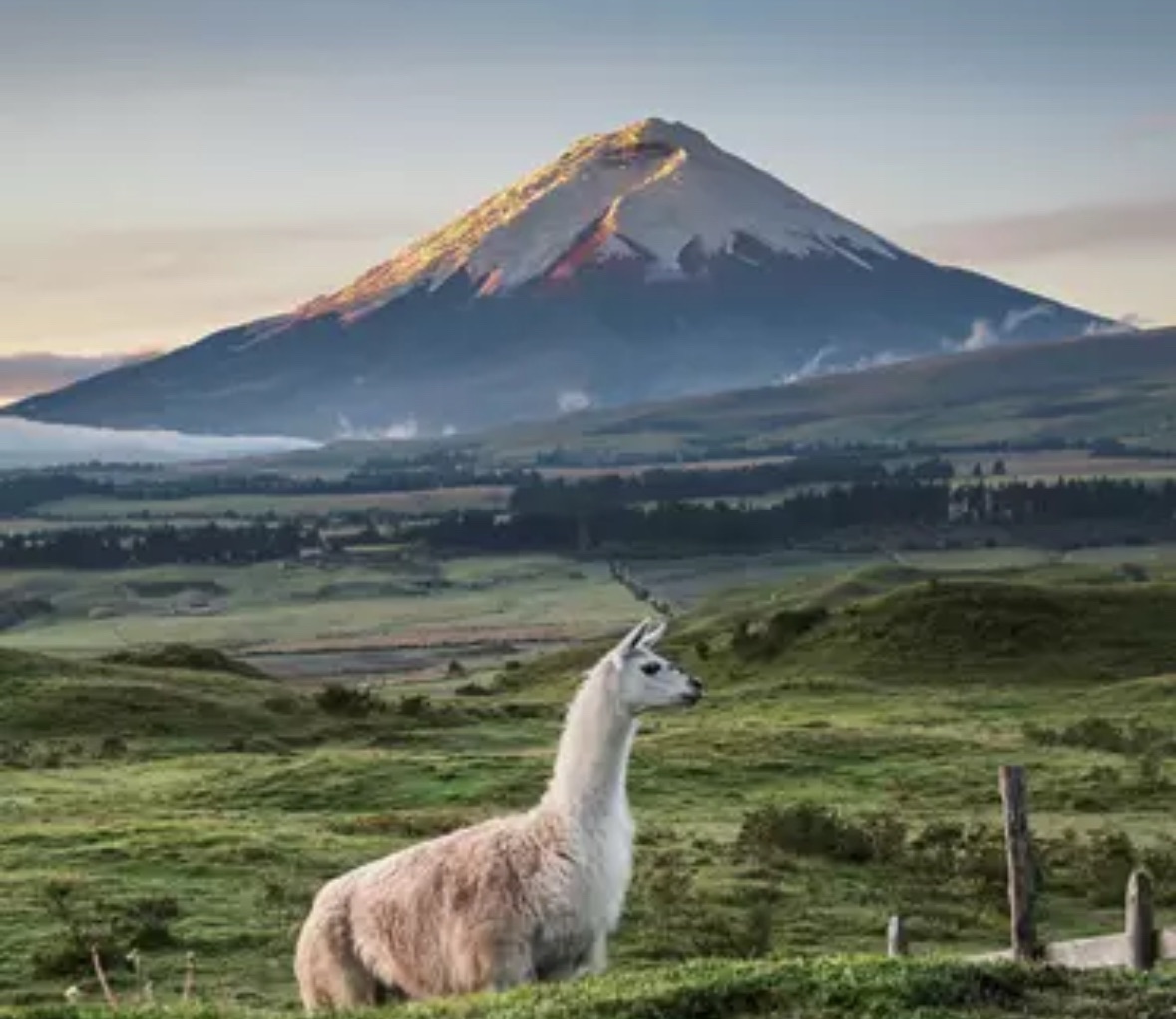
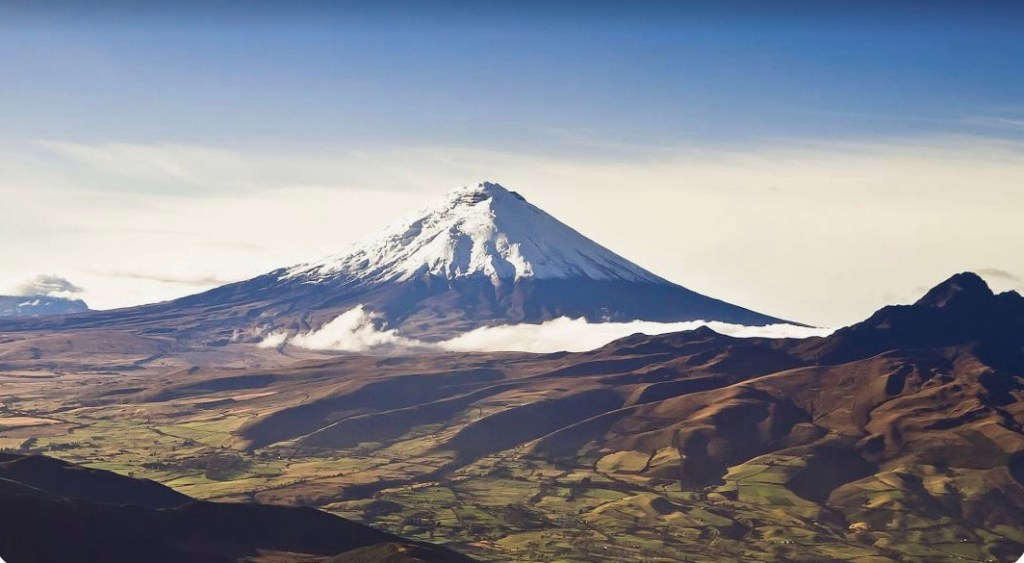
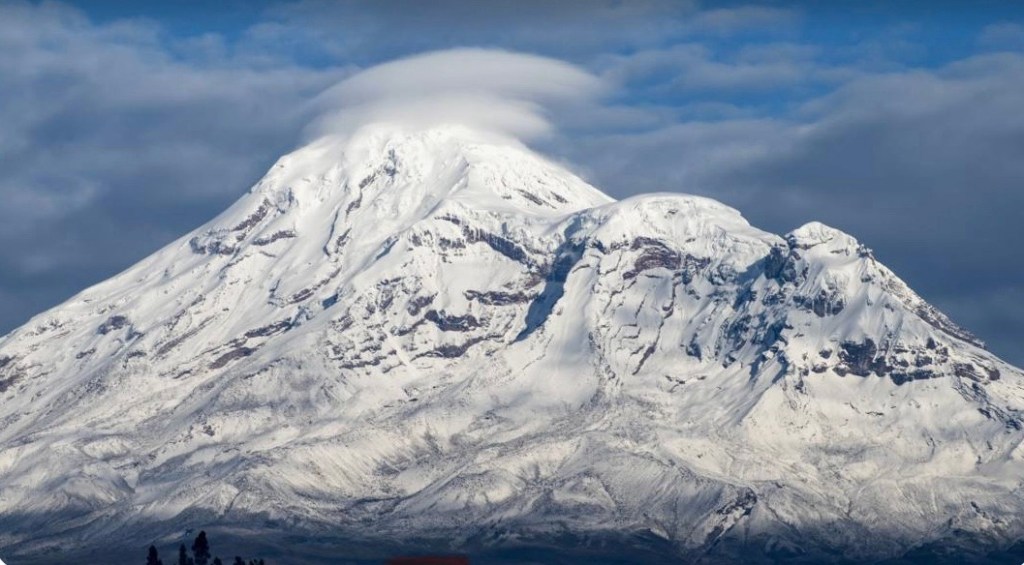
Planning and training for the next ambitious adventure is well underway. My brother Ron and I will be heading to Ecuador in January 2025 for a two week trek that will culminate with attempts to climb two big stratovolcanoes, Cotopaxi [19,332’ / 5,892m] and Chimborazo [20,562’ / 6,267m]
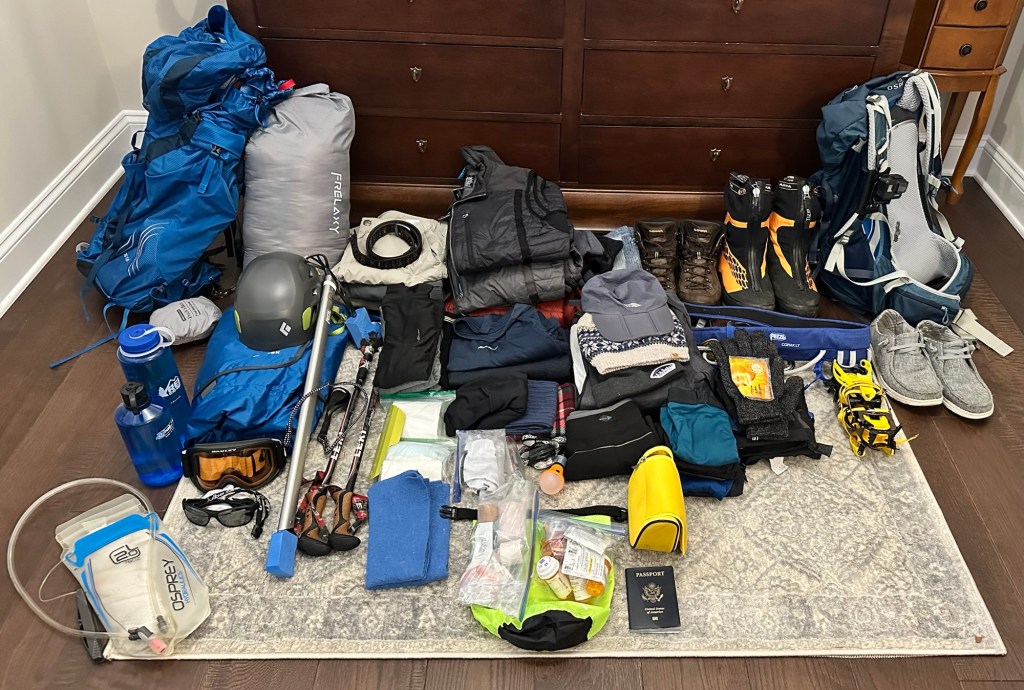
This will be a physically demanding challenge that requires deliberate and disciplined training. In addition, due to the technical climbing elements on both mountains, we have been accumulating the array of specialized equipment needed to safely attempt these high summits.
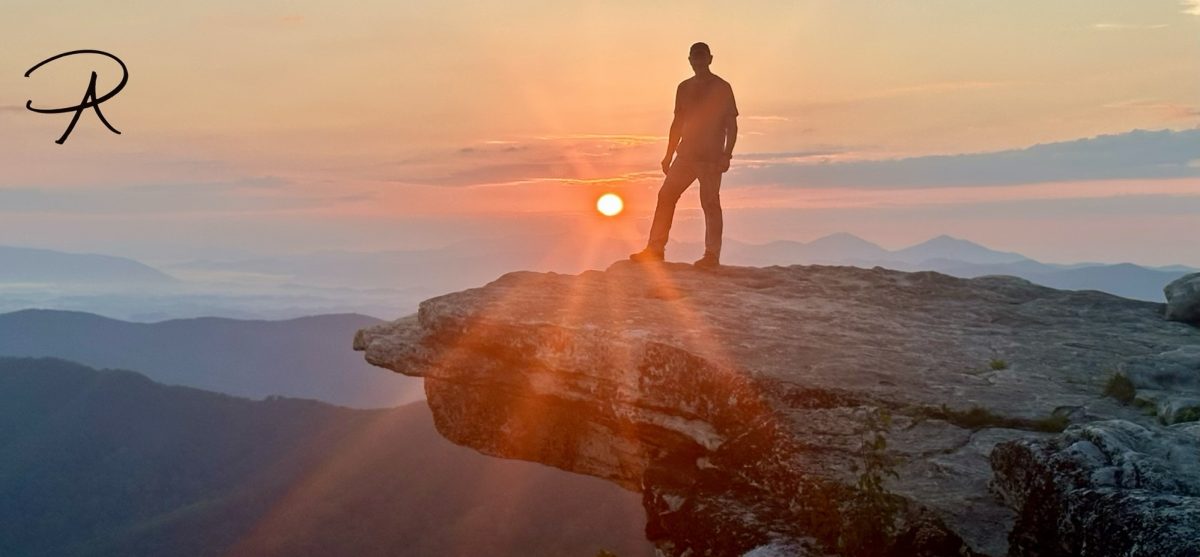
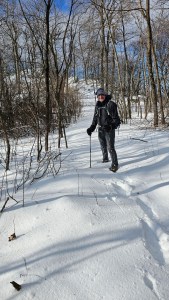
Over the past several months we have become quite familiar with the myriad of hiking trails in and around Shenandoah National Park in Virginia. We have gotten into a good routine of two hikes per week. To adequately prepare, we tend to look for the most challenging trails that feature long, steep, rugged climbs and descents. With distances ranging from 8 miles to over 12 miles, we have easily hiked over 300 miles in the past 4 months. On top of that we’ll generally carry 35 to 40 lb packs to further elevate the level of difficulty.
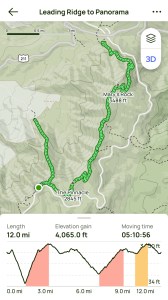
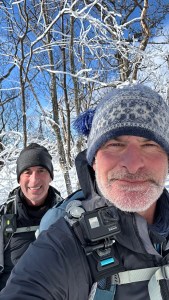
I generally hike fast without too many breaks, but am not particularly interested in hikes that take more than 4 to 4.5 hours. Ron, on the other hand, has seriously been upping the mileage, which means that I have reluctantly added length to my hikes. When we hike together, I relish the opportunity to “punish” him on the hills by setting an unrelenting pace (my passive-aggressive way to let him know that hikes in excess of 5 hours will come at a cost!).
As the days and weeks tick down to our departure date, we are reviewing the inventory of gear and supplies we’ll need for what is essentially 8 days of acclimatization hikes and 4 days of serious technical mountaineering. The “acclimatization phase” is something that we are quite familiar with given past adventures to Everest Base Camp (Nepal), Kilimanjaro (Tanzania), and Huayna Potosi (Bolivia). In this phase we will be enjoying a series of day hikes of gradually increasing elevation to get our bodies accustomed to performing at higher elevations with significantly less oxygen.
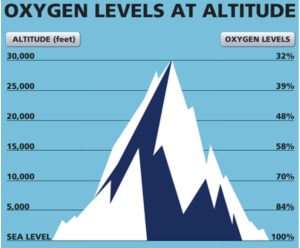
A successful acclimatization schedule that follows the mantra of “hike high, sleep low” and occurs over an adequate period of time increases the body’s ability to produce more oxygen-carrying red blood cells. This physiological change partially offsets the effects of lower oxygen at higher elevations, and most importantly reduces the chance of experiencing Acute Mountain Sickness (AMS).
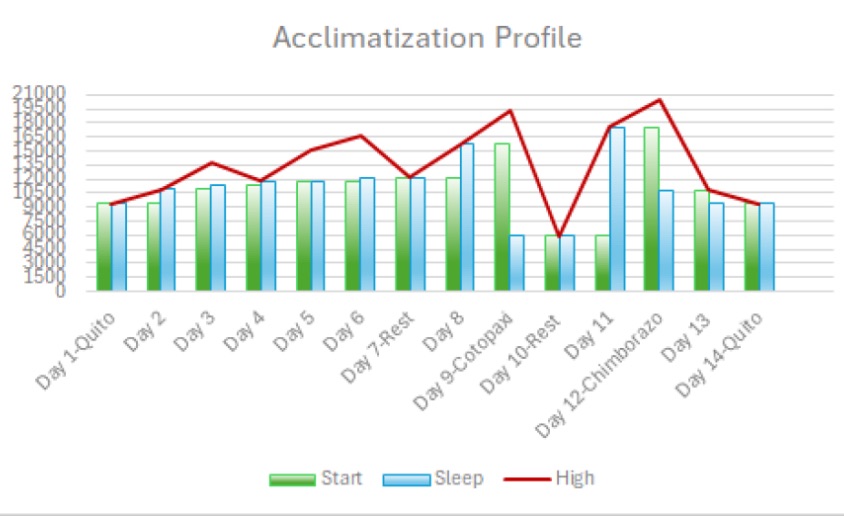
The trip itinerary listed below is a good illustration of the exposure to gradually increasing elevations over the first eight days of the trip. This schedule is designed to adequately acclimatize our bodies for the stresses of the two summit attempts that occur on Day 9 (Cotopaxi) and Day 12 (Chimborazo):
TRIP ITINERARY
- Day 1 (Jan 12): Depart U.S. and Arrive in Quito, Ecuador [2,850 m / 9,350′]
- Day 2 (Jan 13): Join with trek group; Acclimatization hike w/ 1,007′ elev. gain in the Valley of Los Chillos to the Río Pita Waterfall; Sleep at Hacienda CotopaxiPungo at 10,895′
- Day 3 (Jan 14): Acclimatization hike w/ 2,850′ elev. gain to the summit of Pasochoa [4,200m / 13,780′]; Sleep at the Chilcabamba Mountain Lodge at 11,417′
- Day 4 (Jan 15): Acclimatization hike from Chilcabamba Lodge to Hacienda Los Mortiños; Sleep at Hacienda Los Mortiños at 11,811′
- Day 5 (Jan 16): Acclimatization hike w/ 2,625′ elev. gain to summit of Rumiñahui [4,624m / 15,170′]; Sleep at Hacienda Los Mortiños at 11,811′
- Day 6 (Jan 17): Technical training on Cotopaxi. Ascend 1,575’ to the glacier at 16,732’ then practice various technical mountaineering skills needed higher up on the mountain; Sleep at Tambopaxi Lodge at 12,139’
- Day 7 (Jan 18): Rest day with visit to Inca Ruins, and additional technical training at Tambopaxi; Sleep at Tambopaxi Lodge at 12,139’
- Day 8 (Jan 19): Ascend to Cotopaxi Refugio at 15,948’ to stage for summit attempt beginning at midnight
- Day 9 (Jan 20): Summit Cotopaxi [5,892m / 19,332’]; Descend and proceed to Baños
- Day 10 (Jan 21): Rest and recovery at Hot Springs of Baños [1,820m / 5,971’]
- Day 11 (Jan 22): Drive to Chimborazo trail head 4,800m/ 15,748’ and hike to high camp (tents); 5,350m / 17,552’ for summit attempt beginning at midnight
- Day 12 (Jan 23): Summit Chimborazo [6,267m / 20,562’]; Descend and proceed to Casa Ilayaku [2,850m / 9,350’] for a well deserved rest and recovery
- Day 13 (Jan 24): Return to Quito for late night airport departure from Quito International Airport
- Day 14 (Jan 25): Arrive U.S.
In a couple of weeks the adventure will begin and all of our preparation will be put to the test. Be sure to check back in mid-January to read about our experience.

Author’s Note: If you enjoyed this post, leave a comment or repost to your social media. Also, feel free to explore past adventure series by clicking the “HOME” button below.
 Destination: Adventure
Thank you, Don, for the excellent post. We are excited for you and Ron and proud of you both for your hard work and preparation for this ambitious journey! We look forward to following along with you!
We pray for your safety and success!
Love,
Karen and Larry 😊
LikeLike
Godspeed Don. I forwarded this to sons Greg and Jeff. Tom
LikeLike